

Strengthening Economic Ties: MEPI SLP Business and Trade Roundtables in Tunisia and Morocco
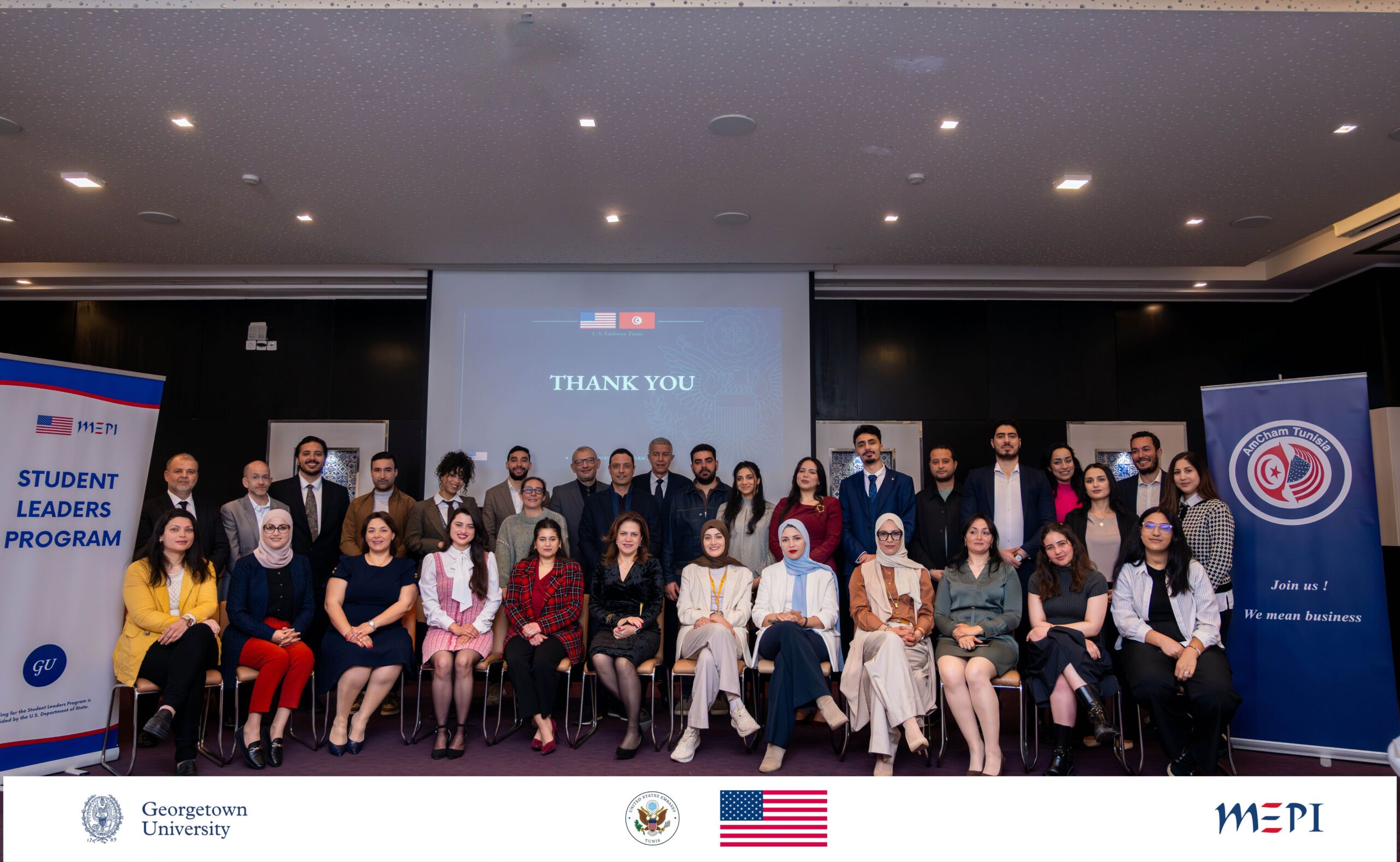
TUNIS & CASABLANCA — Earlier this month, Georgetown University’s Center for Intercultural Education and Development (CIED) convened a high-impact Regional Business & Trade Roundtable series in Tunisia and Morocco. Designed for alumni of the U.S.-Middle East Partnership Initiative (MEPI) Student Leaders Program (SLP), these events bridged the gap between emerging North African entrepreneurs and the U.S. commercial landscape. The series brought together more than 40 alumni, with representation spanning two decades of programming — including participants from as far back as the 2006 cohort. The roundtables served as a vital nexus for alumni to engage with local and U.S. institutions at the forefront of commercial diplomacy.
By convening a specialized ecosystem—including representatives from the American Chambers of Commerce (AmCham), the Tunisian American Young Professionals (TAYP), and the Economic and Public Diplomacy sections of the U.S. Embassies—the roundtables provided a unique platform for exchange alumni to navigate the complexities of global trade. The roundtables’ sessions were designed to help participants scale their ventures and ensure their businesses are “U.S. market-ready,” reinforcing the critical role that exchange alumni play in advancing shared economic priorities.
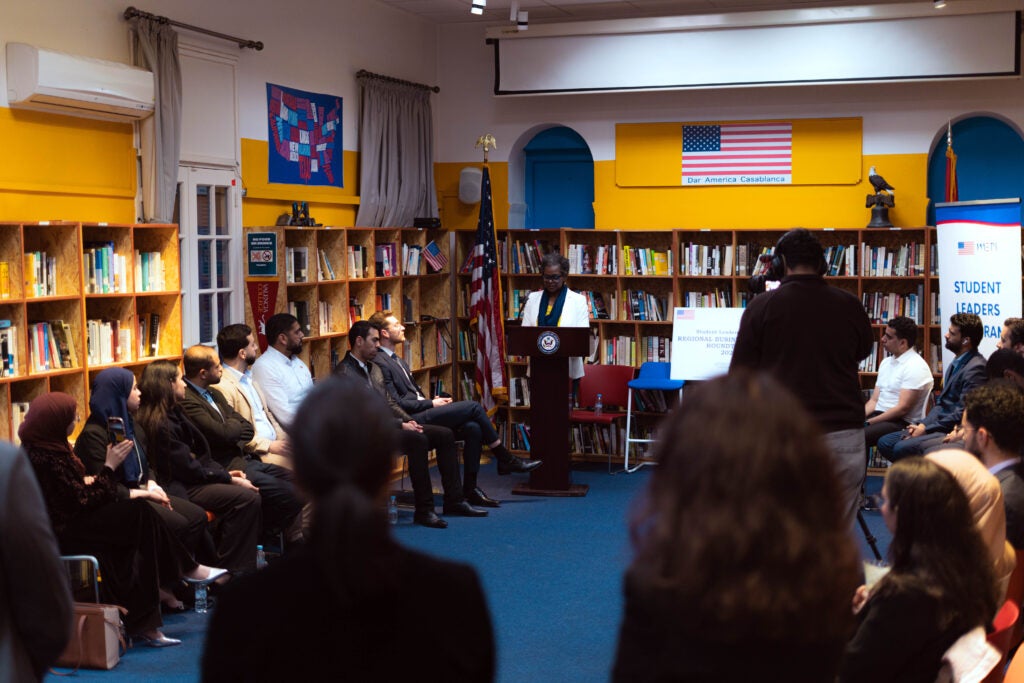
The events were inaugurated by senior U.S. diplomats who emphasized the transformative power of the alumni network. In Tunis, U.S. Ambassador Bill Bazi spoke to the role of exchange programs as catalysts for transatlantic value-sharing and economic integration. He noted that these initiatives are essential for connecting high-potential North African talent with U.S. commercial markets.
In Morocco, Consul General Marissa Scott highlighted the invaluable opportunities provided by American technological solutions. She specifically pointed to the “leap” in artificial intelligence as a frontier for MENA entrepreneurs to tap into, allowing them to scale their businesses both regionally and globally. Indeed, a central theme of the roundtables was the promotion of American leadership in innovation. Through dedicated panels, such as the “From Local Impact to Global Scale: Artificial Intelligence” session in Casablanca, participants explored how U.S. technology acts as a scaffold for sustainable growth.
Aymen Abderrahmen, Assistant Director of the Student Leaders Program at Georgetown University, emphasized the long-term impact of fostering direct engagement between international participants and U.S. institutions:
“These connections do more than facilitate knowledge transfer; they build a sustainable infrastructure for shared prosperity. By demystifying U.S. regulatory environments and providing direct access to American business leaders, the program effectively reduces barriers to entry for international trade. For many participants, the roundtables represented a “transformative” pivot point, shifting their focus toward U.S. partnerships that integrate American solutions into emerging markets.”
The success of the MEPI Student Leaders Program roundtables underscores the enduring value of U.S.-MENA cooperation facilitated by the Middle East Partnership Initiative (MEPI). As participants adopt American tech solutions and establish firm links with U.S. commercial institutions, they are not only accelerating their own professional trajectories but also fostering an interconnected business landscape that generates economic dividends for both their home countries and the United States.
Related Program
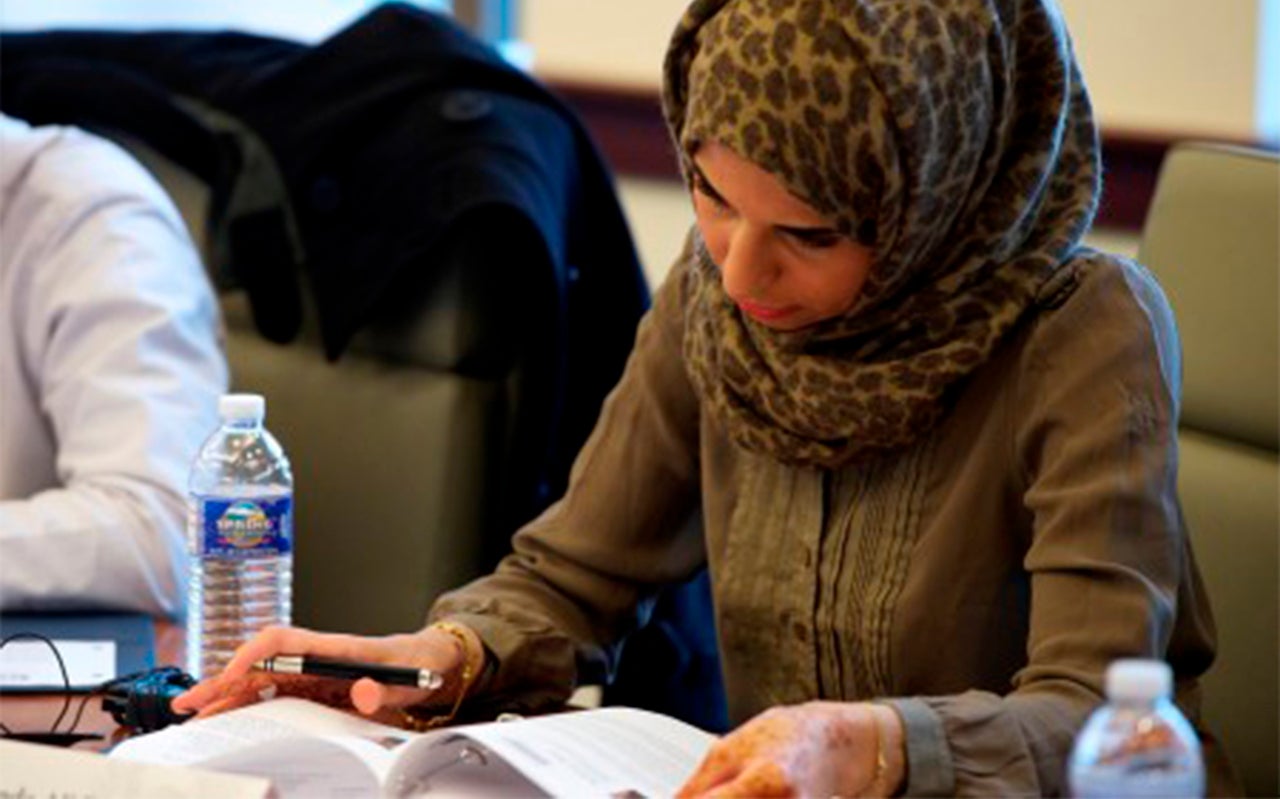
Student Leaders Program
The MEPI Student Leaders Program is a U.S. Department of State sponsored leadership program for undergraduate student leaders from the Middle East and North Africa. The CIED-designed curriculum allows students to develop leadership skills and expand their understanding of civil society and democratic leadership.